


Osteochondrosis is a disease in which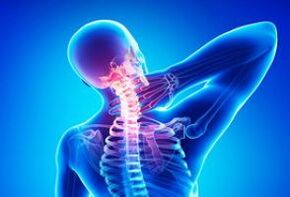 degenerative and dystrophic changes occur in the cartilaginous tissues of the spine, accompanied by impaired functionality of the intervertebral discs.
Osteochondrosis is divided into cervical, thoracic and lumbar.The average age of onset of osteochondrosis is 30-35 years.
Reasons for the development of osteochondrosis:
- uneven load on the spine: habits of carrying a bag on one shoulder or in one hand, incorrect sitting position, sleeping on a too soft mattress, a high pillow, wearing uncomfortable shoes or high heels.
- sedentary lifestyle, overweight.
- back and lower limb injuries.
- flat feet.
- physical overexertion of the body.
- genetic predisposition.
- postural disorders during the period of active growth, scoliosis.
- malnutrition, diets.
- bad habits.
- pregnancy.
Stages of development of osteochondrosis
- Osteochondrosis 1st stage: mild discomfort occurs when staying in an uncomfortable position for a long time, active movement, etc.
- Stage 2 osteochondrosis: noticeable discomfort and pain occur with certain types of stress and movements.
- Stage 3 osteochondrosis: stiffness of movements appears, a feeling of numbness, tingling of the limbs may appear, pain is clearly felt in the back, neck and lumbosacral region.
- Stage 4 osteochondrosis: osteophytes are formed, new bone formations that improve the fixation of the vertebrae, but in some cases osteophytes can cause pinching of nerves and injury to the vertebrae.
Symptoms of osteochondrosis:
- periodic feeling of fatigue in the back, severe pain in the neck, back, chest and shoulder girdle.
- discomfort, stiffness of body movements.
- headache, dizziness, increased fatigue.
- pain in the region of the heart.pain in the lower back, radiating to the legs.
Classification of osteochondrosis:
- osteochondrosis of the cervical, thoracic, lumbar, sacral or mixed, combined type of disease.
Diagnosis of osteochondrosis:
- x-ray examination of the spine;
- neurological examination of sensitivity, reflexes;
- computed tomography of the spine (CT);
- nuclear magnetic resonance (NMR);
- magnetic resonance imaging (MRI).
Treatment of osteochondrosis:
The therapy of the disease osteochondrosis is carried out in two directions, depending on the degree of osteochondrosis and the patient's state of health.
Conservative treatment of osteochondrosis
Conservative therapy is aimed at alleviating pain, normalizing the functionality of the spine and preventing negative changes.
- drug therapy;
- physiotherapy (ultrasound waves, low-frequency currents, etc.);
- physiotherapy (physical therapy);
- massage;manual therapy;
- balanced nutrition, diet.
Complications of osteochondrosis:
- spinal hernia;
- sciatica;
- salt deposits in the intervertebral space;
- spinal cord strokes;
- paralysis of the lower limbs.
Prevention of osteochondrosis:
- active lifestyle, fitness classes;
- if you have to sit for a long time, you need to choose the right chairs that provide support for the spine, ensure compliance with the standards for the position of your hands on the table, your feet on the floor or a special stand and learn to maintain your posture;
- orthopedic bedding;
- choosing the right shoes;
- balanced eating and drinking regime;
- healthy lifestyle.